

Introduction:
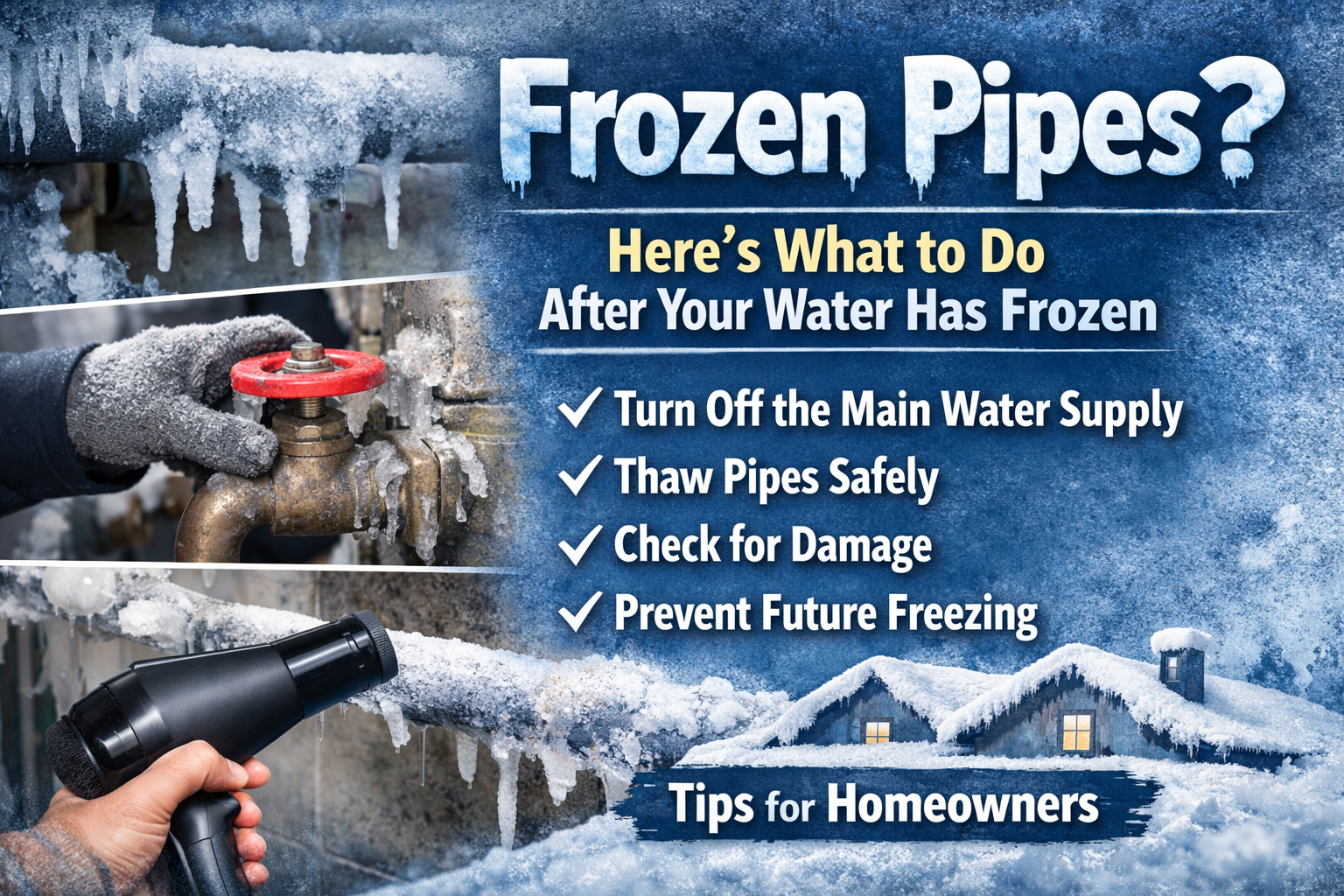
The recent Arctic blast has left many homes in Nazareth, Easton, Phillipsburg, Stewartsville, and the Lehigh Valley with frozen pipes. Frozen pipes are more than an inconvenience—they can burst, causing serious water damage and costly repairs. If you’re dealing with frozen water in your plumbing, knowing how to respond safely and quickly can save your home from major damage. This guide walks you through immediate actions, safe thawing techniques, damage checks, and preventive measures for the future.
1. Identify the Frozen Pipe
Before taking action, it’s important to locate the affected pipes:
Look for visible frost or ice: Pipes in basements, crawl spaces, attics, or near exterior walls are most vulnerable.
Check faucets: Turn on faucets; if water flow is slow or nonexistent, the pipe may be frozen upstream.
Listen for creaking or popping sounds: These noises indicate pressure building behind the ice, which can lead to bursting if not addressed carefully.
Check multiple areas: Sometimes only a section of a pipe is frozen, so inspect all water supply lines in cold or unheated spaces.
Pro Tip: Pipes in cabinets under sinks along exterior walls or in unheated garages are often the first to freeze.
2. Turn Off the Main Water Supply
Once you’ve identified a frozen pipe, prevent potential flooding:
Locate the main shut-off valve and turn it off immediately. This stops water from flowing if a pipe bursts.
Leave faucets open: Open all faucets connected to the frozen pipe. As ice begins to thaw, the water has somewhere to go, relieving pressure.
Know your home’s layout: Every second counts, so make sure everyone in the household knows where the main valve is located.
Safety Note: If you see water pooling or hear a leak, do not try to force water through the pipe. Water pressure can cause cracks to expand or pipes to burst.
3. Thawing Frozen Pipes Safely
Never use open flames like a blowtorch—this can start a fire. Instead, use safe, gradual heating methods:
Hair dryer: Apply gentle heat along the frozen section, starting close to the faucet and moving toward the frozen area.
Electric heating tape: Wrap the pipe with heating tape for a controlled, consistent warm-up.
Warm towels: Soak towels in hot water and wrap them around the pipe, replacing as they cool.
Space heater: Use a portable heater in a nearby room to raise the ambient temperature around the pipe.
Tips for thawing:
Work slowly; rushing can crack the pipe.
Keep the area clear of flammable materials.
Never pour boiling water directly on a pipe—it may cause it to burst due to rapid temperature change.
4. Check for Damage
After thawing, inspect your plumbing carefully:
Look for leaks or cracks: Even small hairline cracks can cause flooding later.
Turn water on gradually: Open faucets slowly to check flow and monitor for any leaks.
Check surrounding areas: Inspect walls, ceilings, floors, and under sinks for water damage or damp spots.
Consider professional inspection: If you suspect a pipe burst or any hidden leaks, call a licensed plumber immediately.
Local Tip: Homes in Easton and Phillipsburg often have older pipes that are more susceptible to damage, so extra caution is necessary.
5. Prevent Future Freezing
Once your pipes are safe, take steps to protect your home against the next cold snap:
Insulate exposed pipes: Foam sleeves or heat tape are effective.
Keep doors closed in cold areas: Garages and crawl spaces are particularly vulnerable.
Let faucets drip slightly during extreme cold: This keeps water moving and reduces freezing risk.
Maintain a consistent indoor temperature: Avoid letting the house dip below 55°F, especially in areas with plumbing.
Know your main water valve location: Quick access is critical if another emergency occurs.
Extra tip: Adding a small heater near pipes in unheated areas during Arctic blasts can prevent freezing altogether.
Conclusion
Frozen pipes can be stressful, but with quick action and safe techniques, homeowners in the Lehigh Valley can reduce the risk of serious damage. Remember: identify the frozen pipe, shut off water, thaw safely, check for damage, and prevent future freezing.
While minor issues can be handled safely at home, any signs of bursting or leaks should be addressed by a licensed plumber immediately. Preparing your home for winter now can save you from costly repairs later.