

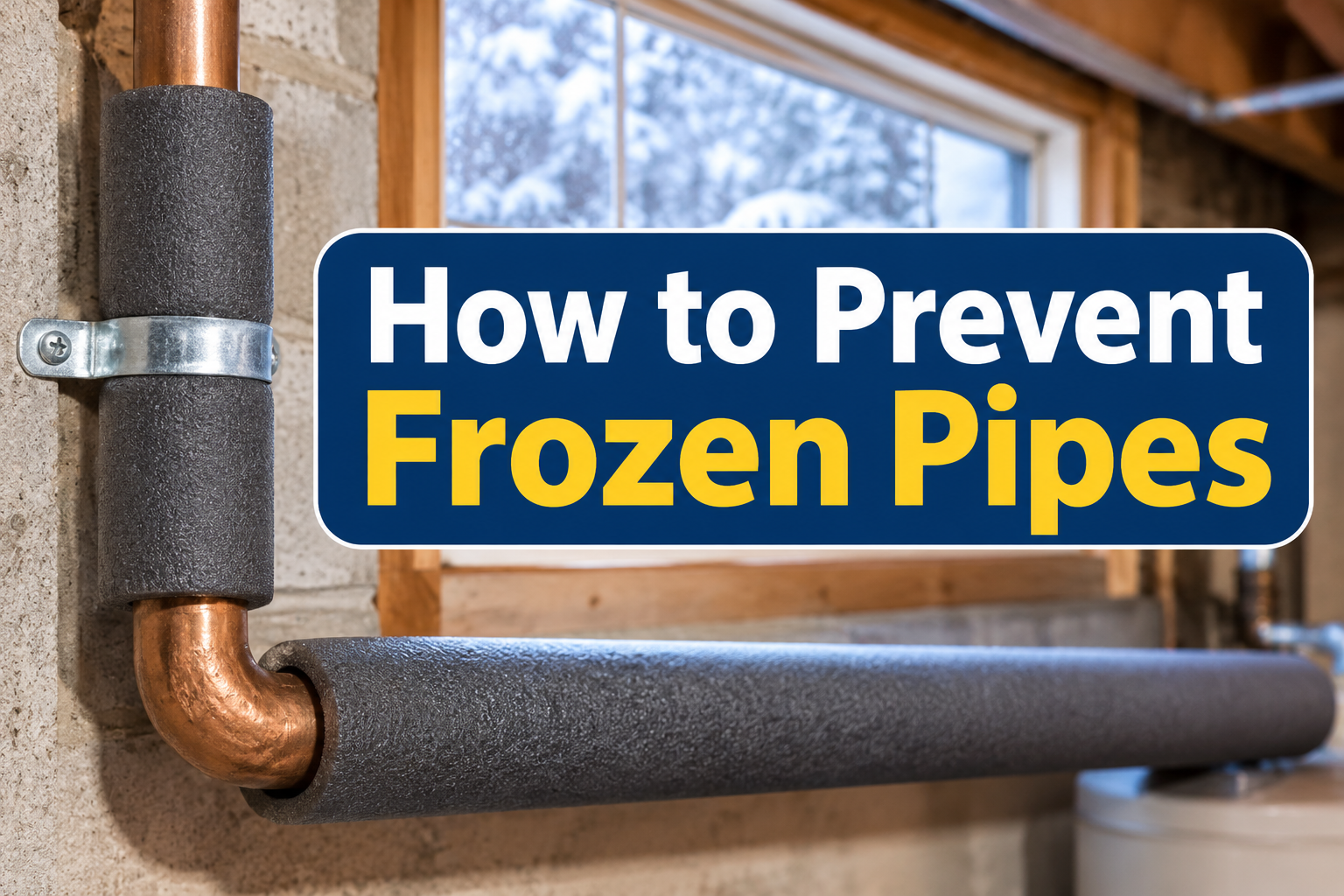
How to Prevent Frozen Pipes This Winter: 9 Things Every Pennsylvania Homeowner Should Know
When winter temperatures drop across the Lehigh Valley and Warren County, NJ, frozen pipes become a serious concern for homeowners. A pipe that freezes can restrict water flow, crack under pressure, and eventually burst, potentially causing significant water damage to your home.
The good news? A little preparation can go a long way toward protecting your plumbing.
Whether you live in an older home with exposed basement pipes or a newer house with plumbing running through exterior walls, these nine practical tips can help you prevent frozen pipes and avoid an expensive winter plumbing emergency.
1. Insulate Exposed Water Pipes
One of the simplest ways to prevent frozen pipes is to insulate plumbing in areas that are exposed to cold temperatures.
Pay particular attention to pipes located in:
- Unheated basements
- Crawlspaces
- Garages
- Attics
- Exterior walls
- Utility rooms that aren't adequately heated
Foam pipe insulation is relatively inexpensive and easy to install on accessible pipes. Pay special attention to water lines near foundation walls, windows, and other areas where cold air may enter.
2. Disconnect and Drain Outdoor Garden Hoses
Before freezing temperatures arrive, disconnect all garden hoses from outdoor faucets.
Leaving a hose attached can trap water inside the faucet and connected plumbing. When that water freezes, it can expand and potentially damage the pipe inside your home.
If you have a standard outdoor hose bib, shut off its interior supply valve if one is installed, then open the outdoor faucet to allow remaining water to drain.
If you have frost-free hose bibs, disconnecting hoses is still important because an attached hose can prevent proper drainage.
3. Seal Gaps and Drafts Around Pipes
Cold air entering your home through small openings can expose plumbing to freezing temperatures.
Check around:
- Foundation openings
- Exterior walls where pipes enter the home
- Basement windows
- Garage walls
- Crawlspace vents and access points
Use appropriate caulk, weatherstripping, or expanding foam to seal gaps where cold air enters. Be careful not to block required ventilation openings or create moisture problems.
Even small improvements in insulation and air sealing can make a difference.
4. Keep Your Thermostat at a Consistent Temperature
During winter, avoid turning your heat down too low, even when you're away from home.
As a general precaution, keep your thermostat set to at least 55°F when leaving your home for an extended period. In particularly cold conditions, homes with vulnerable plumbing may need additional heat.
If you have pipes running through exterior walls or unheated spaces, maintaining a consistent indoor temperature is especially important.
Remember: Turning your heat off completely while away during winter can put your plumbing at risk.
5. Open Cabinet Doors Under Sinks
Kitchen and bathroom plumbing is sometimes installed along exterior walls, where cold temperatures can affect the water supply lines.
When temperatures become extremely cold, open cabinet doors beneath sinks to allow warmer indoor air to circulate around the pipes.
This is particularly helpful for homes with plumbing located against exterior walls.
If you have young children or pets, make sure cleaning products and other household chemicals stored in those cabinets remain safely secured.
6. Let Faucets Drip During Extreme Cold
When temperatures become especially low, allowing a small trickle of water to run through vulnerable faucets can help reduce the risk of freezing.
Moving water is generally less likely to freeze than standing water.
Focus on faucets supplied by pipes running through particularly cold areas of your home.
You don't need to run every faucet in the house. A small, steady trickle from the most vulnerable fixtures is usually sufficient.
Keep in mind that dripping faucets are a precaution, not a substitute for proper insulation and heating.
7. Protect Plumbing in Your Garage and Crawlspace
Garages and crawlspaces are often overlooked when homeowners prepare for winter.
If water lines run through these areas, they may be exposed to temperatures much colder than the rest of your home.
Consider insulating accessible pipes, sealing drafts, and ensuring that vulnerable plumbing receives adequate protection.
Never use an open flame, outdoor heater, or other unsafe heating method to warm pipes.
If you aren't sure whether your plumbing is adequately protected, a professional plumber can help identify vulnerable areas.
8. Take Precautions Before Leaving Home for Winter Travel
Planning a winter vacation? Don't forget about your plumbing.
Before leaving:
- Keep your thermostat set to at least 55°F.
- Disconnect outdoor garden hoses.
- Make sure exposed pipes are insulated.
- Check for dripping faucets or existing leaks.
- Ask someone to periodically check your home during extended absences.
For longer trips or homes with a history of frozen pipes, consider having a plumber evaluate your plumbing and discuss additional precautions.
If you plan to shut off your main water supply, understand how your heating system and plumbing fixtures will be affected before doing so.
9. Know the Warning Signs of Frozen Pipes
Recognizing a frozen pipe early can help prevent a much bigger problem.
Watch for these warning signs:
- Little or no water coming from a faucet.
- A sudden decrease in water pressure.
- Frost or visible ice on exposed pipes.
- Unusual odors coming from drains or faucets.
- Strange noises when turning on faucets.
If you suspect a pipe is frozen, turn off the water supply if you discover a leak or suspect the pipe has burst.
If the pipe is accessible and has not burst, gentle warming with a hair dryer or warm towels may help thaw it. Never use a torch, open flame, or high-temperature heat source.
If you cannot locate the frozen section, the pipe is inside a wall, or you're unsure how to proceed, contact a professional plumber.
What Should You Do If a Frozen Pipe Bursts?
A frozen pipe can crack as ice expands inside it. Sometimes the damage isn't discovered until the ice begins to thaw and water starts leaking.
If a pipe bursts:
- Shut off your home's main water supply immediately.
- Turn off electricity to any affected areas if water is near electrical outlets or equipment, but only if you can do so safely.
- Open faucets to relieve remaining pressure in the plumbing.
- Move belongings away from standing water if it is safe.
- Contact a professional plumber to locate and repair the damaged pipe.
Acting quickly can help limit water damage and prevent additional problems.
Don't Wait Until the First Freeze to Protect Your Plumbing
Pennsylvania winters can bring sudden temperature drops, freezing winds, and extended periods of cold weather. Taking time to prepare your plumbing before winter arrives can help you avoid unexpected repairs and protect your home.
From insulating exposed pipes to disconnecting outdoor hoses, these simple steps can make a meaningful difference.
If you have concerns about exposed plumbing, recurring frozen pipes, or damaged water lines, Applause Plumbing & Heating is here to help.
Need help protecting your plumbing this winter?
Contact Applause Plumbing & Heating at 610-504-6688 to discuss your plumbing concerns.
Serving homeowners throughout the Lehigh Valley and Warren County, NJ.
Applause Plumbing & Heating — Help is Here!