

Updated June 7, 2026
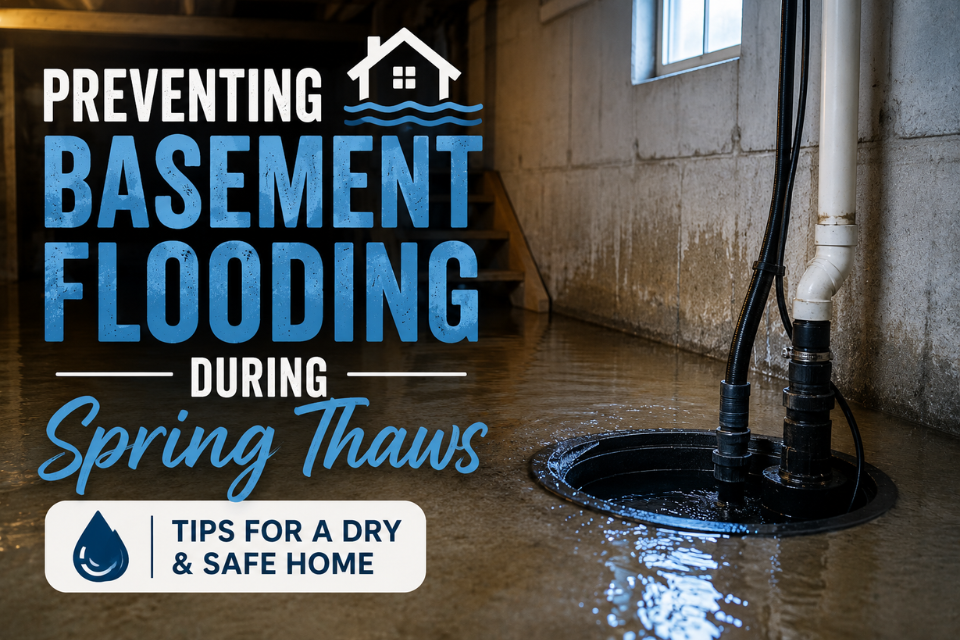
As spring arrives in Easton, PA and the Lehigh Valley, fluctuating temperatures, melting snow, and heavy rain can quickly lead to basement flooding. Many homeowners don’t realize how vulnerable their home is until water starts seeping in.
The good news? With a few preventative steps, you can significantly reduce your risk and avoid costly damage.
🌧️ Why Basements Flood in the Spring
Spring flooding is usually caused by a combination of:
- Snowmelt saturating the ground
- Heavy rainfall
- Poor drainage around the home
- Failing sump pumps
When the soil around your foundation becomes oversaturated, water looks for the easiest path—often straight into your basement.
⚠️ Signs Your Basement May Be at Risk
Before a major issue happens, your home often gives warning signs:
- Musty or damp odors
- Water stains on walls or floors
- Small cracks in the foundation
- Sump pump running constantly
- Water pooling near your home’s foundation
If you’re noticing any of these, it’s best to act early.
🔧 1. Inspect and Test Your Sump Pump
Your sump pump is your first line of defense against flooding.
- Test it: Pour water into the pit—it should turn on and pump water out quickly
- Clean it: Remove debris that could clog the system
- Check discharge lines: Make sure water is directed at least 6–10 feet away from your home
A sump pump failure during a storm can lead to serious damage in just hours.
🍂 2. Clean Gutters and Downspouts
Clogged gutters can cause water to overflow and collect near your foundation.
- Remove leaves and debris
- Ensure downspouts extend far from the house
- Check for any blockages or leaks
Proper drainage outside your home is just as important as inside.
🧱 3. Seal Foundation Cracks
Even small cracks can allow water to seep into your basement.
- Use a waterproof sealant for minor cracks
- Monitor for recurring moisture
- Consider professional repair for larger issues
This simple step can prevent slow leaks from turning into major problems.
🏡 4. Improve Grading Around Your Home
The ground around your home should slope away from your foundation.
- Add soil where needed to create proper slope
- Avoid excessive mulch near the foundation
- Check for areas where water collects after rain
Poor grading is one of the most common causes of basement flooding in the Lehigh Valley.
🔋 5. Install a Battery Backup for Your Sump Pump
Spring storms often bring power outages—right when you need your sump pump most.
A battery backup system ensures your pump keeps working even if the power goes out.
💸 How Much Can Basement Flooding Cost?
Flood damage adds up quickly:
- Minor water cleanup: $500–$2,000
- Moderate damage: $2,000–$10,000
- Major flooding: $10,000+
Preventative maintenance is far more affordable than dealing with repairs.
👨🔧 When to Call a Professional
It may be time to bring in a professional if you notice:
- Recurring moisture or leaks
- Standing water in your basement
- A sump pump that isn’t keeping up
- Drainage issues around your home
Catching problems early can save you thousands in repairs.
✅ Protect Your Basement Before the Next Storm
Spring weather in Easton, Bethlehem, Nazareth, Phillipsburg, and surrounding areas can be unpredictable. Taking a proactive approach now can help keep your home dry and protected all season long.
If you’re unsure whether your home is prepared, having your system checked before the next heavy rain is a smart move.