

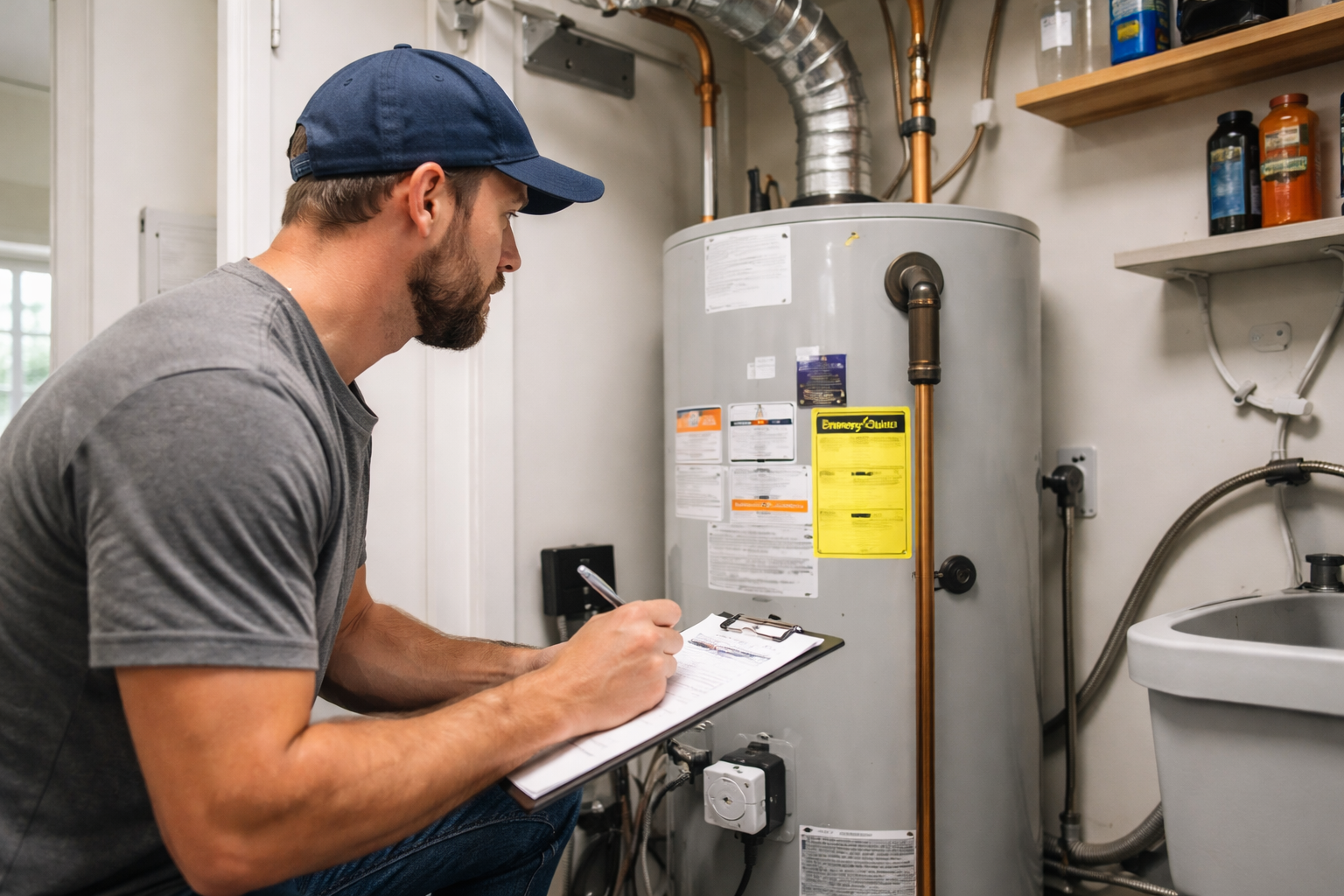
Water heaters are one of the most essential appliances in any home or business, quietly providing hot water for showers, sinks, dishwashers, and more. Yet many homeowners only think about their water heaters when something goes wrong—like a leak, strange noises, or lukewarm water. Knowing the signs that your water heater is reaching the end of its lifespan can save you from unexpected breakdowns, water damage, and costly emergency replacements.
In this article, we’ll break down how long water heaters last, how to spot warning signs, and what steps you can take to extend the life of your system.
How Long Do Water Heaters Typically Last?
The average lifespan of a water heater depends on its type and how well it’s maintained:
Tank Water Heaters: Usually last 8–12 years. The life expectancy depends on the quality of the unit, water quality, and regular maintenance.
Tankless Water Heaters: Can last 15–20 years with proper care, since they don’t store water and are less prone to corrosion.
Electric vs. Gas: Gas water heaters may have slightly shorter lifespans due to more moving parts and exposure to heat, but maintenance is the key factor for both types.
If your water heater is approaching these age ranges, it’s smart to pay extra attention to its performance and condition.
Warning Signs That Your Water Heater May Be Failing
Even if your water heater hasn’t reached the “average lifespan,” certain signs can indicate it’s time to replace it soon. Watch for:
Rusty Water: Brown or reddish water coming from your taps could mean your tank is corroding.
Leaking: Any water pooling around your water heater is a red flag. Leaks can indicate internal corrosion or a failing tank.
Strange Noises: Rumbling, popping, or cracking sounds often mean sediment has built up inside the tank, reducing efficiency.
Inconsistent Hot Water: If water runs cold faster than usual, your heating element or burner may be failing.
Frequent Repairs: If you’re calling a plumber more than once a year for the same issues, it’s often more cost-effective to replace the water heater entirely.
Extending the Life of Your Water Heater
Regular maintenance can significantly extend your water heater’s lifespan. Some key tips include:
Flush the Tank Annually: Sediment buildup reduces efficiency and accelerates wear. Draining and flushing the tank removes minerals that cause rust and noise.
Check the Anode Rod: This rod protects your tank from corrosion. Inspect it every 1–3 years and replace it if it’s heavily corroded.
Insulate the Tank and Pipes: Insulation helps your water heater run efficiently and reduces strain on the system.
Set the Temperature Correctly: Keep your water heater at 120°F. Higher temperatures can cause premature wear and increase energy costs.
Schedule Professional Maintenance: A licensed plumber can inspect your water heater, test valves, and catch issues before they become emergencies.
Choosing Between Tank and Tankless Replacement
When it’s time to replace your water heater, you’ll need to decide between a traditional tank model or a tankless system. Here’s what to consider:
| Feature | Tank Water Heater | Tankless Water Heater |
|---|---|---|
| Lifespan | 8–12 years | 15–20 years |
| Upfront Cost | Lower | Higher |
| Energy Efficiency | Moderate | High (only heats water on demand) |
| Space Requirements | Larger | Compact |
| Maintenance Needs | Moderate | Requires descaling in hard water areas |
Tankless systems are ideal for households looking for energy savings and long-term durability, while tank water heaters remain a reliable and cost-effective option for many homes.
Signs You Should Replace Your Water Heater Immediately
In some cases, waiting isn’t an option. Contact a professional plumber immediately if you notice:
Water pooling around your unit
Rust inside the tank or near fittings
Continuous loud rumbling or popping noises
Burnt gas smell near a gas water heater
Frequent temperature fluctuations or cold water
Ignoring these signs can lead to a sudden failure, flooding, and even property damage.
Planning Ahead: Don’t Wait for an Emergency
Replacing your water heater on your own schedule is always less stressful and more cost-effective than dealing with a sudden breakdown. Keeping track of your unit’s age, performing regular maintenance, and addressing minor issues early can save you thousands in emergency repairs and water damage.
Final Thoughts: Stay Ahead and Winter-Ready
Water heaters are a critical part of any home or business plumbing system. By recognizing the signs of a failing unit, maintaining your system, and planning for replacement, you can avoid costly surprises and keep your household or business running smoothly.
Take a proactive approach—inspect, maintain, and upgrade when needed—and your water heater will keep you comfortable year-round. Stay informed, stay prepared, and stay winter-ready with a water heater that works when you need it most.