

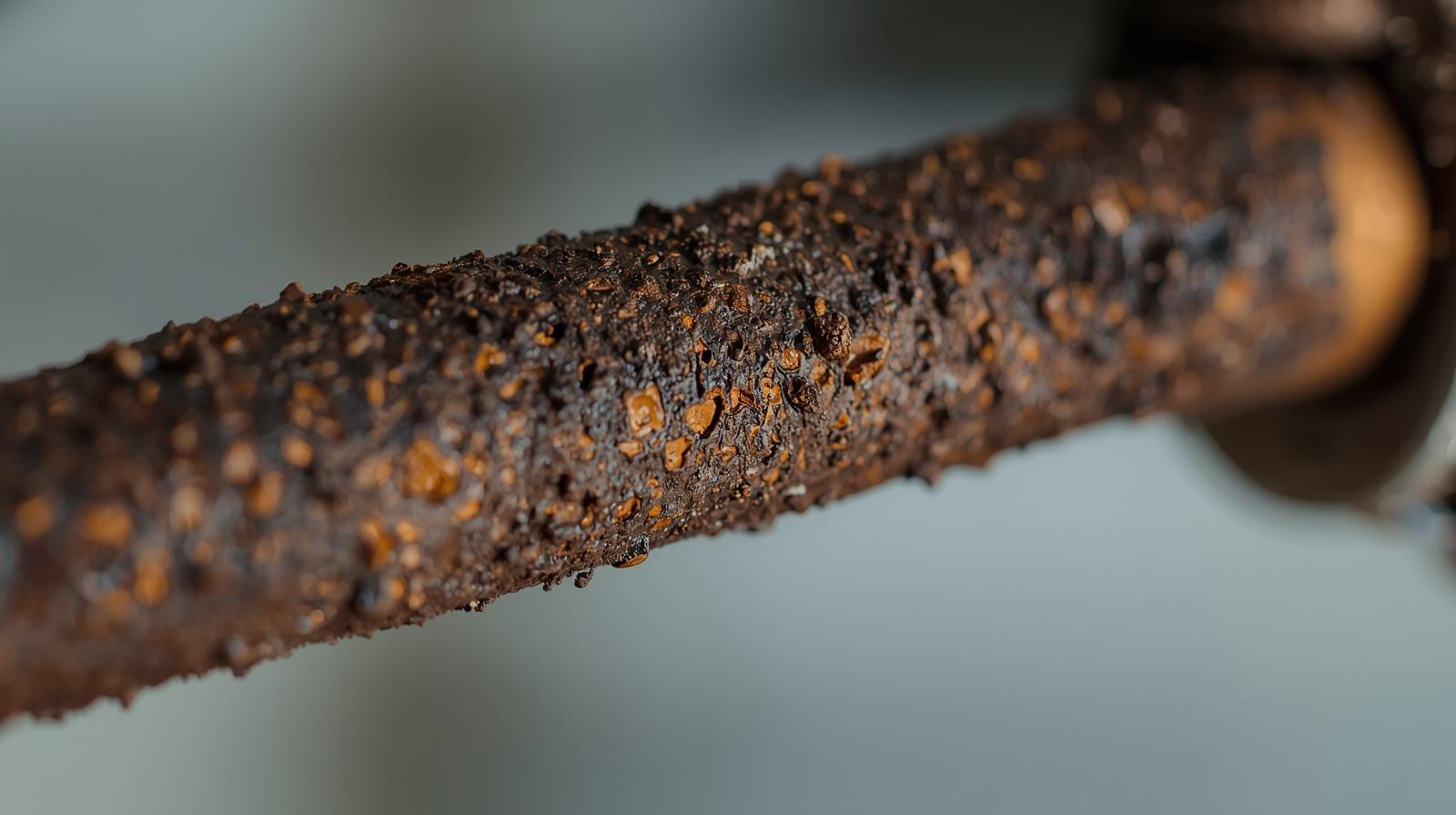
If you have a conventional tank-style water heater sitting in your basement or garage, there’s a small metal rod inside the tank quietly doing the hardest job — getting eaten so the steel tank doesn’t. That rod is the anode rod, and understanding why it corrodes (on purpose!) will help you get more years out of your water heater, avoid surprise replacements, and make better choices when you or your plumber service your home in Nazareth, Easton, Lehigh Valley, Phillipsburg, Stewartsville, or the surrounding towns.
Below I’ll start with a simple, homeowner-friendly explanation, then move into progressively deeper technical detail and practical steps — how to spot a spent rod, how local water conditions affect corrosion, choices you’ll face when replacing a rod, and what to do if corrosion is happening unusually fast.
Quick — the short version (for customers who want the gist)
Anode rods are sacrificial: they’re made of a metal that “sacrifices” itself by corroding instead of the steel tank.
They corrode because that’s their job. Without a working anode rod, rust will attack the tank lining and shorten the heater’s life.
How fast an anode corrodes varies — depends on water chemistry (hardness, chlorine, salts), temperature, electrical stray currents, and whether you have a well or municipal supply.
Check every 1–3 years in areas with hard water (like much of the Lehigh Valley) or every 3–5 years in softer-water areas. Replace sooner if the rod is mostly gone or you have rusty water/smell issues.
A deeper look — what’s actually happening (the chemistry, explained plainly)
A steel water tank can be protected by two mechanisms: a physical glass-lined coating (most tanks), and cathodic protection provided by the anode rod. The tank steel is the cathode in an electrochemical cell; the anode rod is the metal that corrodes because it’s more electrically active (has a more negative electrochemical potential) than steel. Electrons flow from the anode to the cathode; the anode metal oxidizes and dissolves into the water as ions. That oxidation reaction is exactly what we want to prevent the steel from oxidizing (rusting).
Key drivers of increased corrosion:
Water chemistry: chlorides (salt), dissolved oxygen, high mineral content (hardness), high sulfate — all can accelerate corrosion. Well water and some municipal supplies contain higher dissolved minerals and bacteria that change things.
Temperature: higher water temperature speeds chemical reactions — hot water at 140°F will corrode faster than at 120°F.
pH: very acidic or very alkaline water can change corrosion rates.
Electrical stray currents / galvanic connections: if your plumbing accidentally provides an electrical path (poor grounding, bonding issues, nearby stray voltage), that can rapidly consume an anode.
Microbial activity: sulfate-reducing bacteria (often found in some wells) can produce hydrogen sulfide gas (“rotten egg” smell) and accelerate internal corrosion.
Types of anode rods — why composition matters
Magnesium anode — very reactive; excellent protection in soft water and gives best corrosion protection. But it corrodes faster in hard or mineral-rich water and can make the water taste slightly metallic for sensitive palates.
Aluminum (often aluminum-zinc alloy) — used where water has higher mineral content. Aluminum anodes last longer in hard water, but they produce aluminum hydroxides that can make a white sludge in the tank. Some manufacturers use aluminum anodes in electric heaters (check owner’s manual; using the wrong type can void warranty).
Zinc-aluminum (zinc “sacrificial”/zinc core) — helps reduce “rotten egg” hydrogen sulfide smells because zinc counteracts hydrogen sulfide production. Useful where that smell is present.
Powered (impressed current) anodes — a modern electrical anode that produces current to prevent corrosion; it doesn’t get eaten away like sacrificial rods. They’re more expensive but useful in difficult water or where removing stray currents is impractical.
Choosing the wrong anode type for your water supply can result in quicker consumption or undesirable tank deposits. If you have a well or smell hydrogen sulfide, zinc or a powered anode might be better. In many Lehigh Valley homes with municipal hard water, aluminum or aluminum-zinc rods are common choices.
Signs your anode rod is spent or failing (what homeowners see)
Rusty, discolored hot water (reddish-brown) — one sign the anode isn’t protecting the tank.
Rod is largely consumed — when inspected, the metal is reduced to less than half its original diameter or is heavily pitted.
Rotten-egg odor — hydrogen sulfide produced inside the tank can be linked to both water chemistry and anode interactions.
Frequent leaks or pinhole rusting (if the tank is old) — indicates the anode has been gone for some time and the tank is corroding.
Cloudy or white sediment/sludge — from aluminum anodes, sometimes harmless but worth noting.
How to inspect an anode rod (DIY overview; safety first)
Important safety note: If you’re not comfortable turning off power/gas and working with plumbing, call a licensed plumber. Working on gas water heaters especially requires care.
Basic steps (high level):
Turn off power: electric — switch breaker off. Gas — set to “pilot” or turn gas off per manufacturer instructions.
Shut off cold water supply to the heater.
Relieve pressure: open a hot-water faucet somewhere in the house and open the pressure-relief valve a little to reduce pressure (be careful; water can be hot).
Locate the anode: usually on the top of the heater under an access cap; often a hex head (commonly 1¼" or 1 1/16" hex socket).
Unscrew the rod: use a breaker bar and socket; they can be tight due to years of heat and corrosion.
Pull out the rod and inspect: if the rod is less than half its original diameter, or heavily pitted or flaked, replace it.
Replace with same length/type or install according to manufacturer guidance. Use Teflon tape or pipe compound on the threads if recommended.
Tools a DIYer needs: adjustable wrench or socket set (large), breaker bar for leverage, garden hose for draining, gloves, eye protection, and Teflon tape.
Replacement intervals — what to expect
Typical: 3–7 years is a reasonable range for many homes.
Hard water / well water: often toward the shorter end (1–4 years).
Soft water / low minerals: can last 5–10 years.
If you have a water softener: that can change corrosion behavior — softeners remove calcium/magnesium but increase sodium concentration and may accelerate anode consumption in some cases.
Because local water chemistry varies across Nazareth, Easton, Phillipsburg, Stewartsville and nearby zones, check annually and plan replacements every 2–5 years as a conservative schedule.
Extra measures and troubleshooting
Dual anodes: some tanks have or can be fitted with two anodes for longer protection.
Powered anodes: install where sacrificial anodes fail quickly due to stray currents or aggressive water.
Address stray electrical currents: if anode disappears unusually fast, have an electrician/plumber check grounding and stray voltage on your plumbing. Bonding wires, improper electrical paths, or nearby electrical faults can accelerate corrosion.
Water treatment: if hard water is the problem, consider whole-house water treatment (softener, reverse osmosis for drinking, or conditioning). But remember: softeners change corrosion chemistry — discuss with a plumber.
Check manufacturer warranty: replacing with the wrong type or removing the anode can void warranties. Keep records of replacements.
Common homeowner FAQs
Q — Can I remove the anode and skip replacing it?
A — No. Removing it leaves the steel tank vulnerable. You’ll likely shorten the heater’s life dramatically.
Q — My hot water smells like rotten eggs. Will changing the anode fix it?
A — Possibly. A zinc or zinc-aluminum anode is specifically used to counter hydrogen sulfide smell. But it could also be a bacterial problem in well water — testing the water and installing the right anode or treatment is the right approach.
Q — My rod is corroded but my water is clear. Should I wait?
A — If the rod is mostly gone, replace it. Clear water now can change; the rod is the main defense for the tank.
Q — Can I replace it myself?
A — Yes if you’re handy and comfortable handling plumbing and turning off power/gas. But for gas units or tight-access installations, call Applause Plumbing and Heating — we handle this safely and quickly.
Local note for Lehigh Valley, PA and New Jersey Homeowners
In our area (Nazareth, Easton, Lehigh Valley, Stewartsville and Phillipsburg), many homes experience relatively hard water and seasonal changes that affect water chemistry. Wells and older municipal lines can vary widely between neighborhoods. That variability is why routine inspection is important — a homeowner in one street can have a completely different anode lifespan than a neighbor two blocks away.
Practical checklist (what I recommend)
Inspect the anode rod every 12–24 months (sooner if you have well water, water softener, or notice problems).
Replace the rod when it’s mostly consumed (less than 50% left) or shows heavy pitting.
When replacing, choose the anode material appropriate for your water and tank type — ask your plumber or bring a water test.
If rods are failing fast, have plumbing/electrical checked for stray currents and consider a powered anode.
Keep receipts and dates of inspection/replacement — it helps with warranty claims and future diagnostics.
Final note — why this matters for your wallet
A new anode rod is inexpensive compared to replacing a whole water heater. Regular inspections and timely replacement are among the highest-return maintenance tasks for prolonging your water heater’s life. If you’re keeping a careful maintenance log, many tanks will give you several extra years before replacement becomes necessary.
If you need plumbing or heating service, please contact us today!