

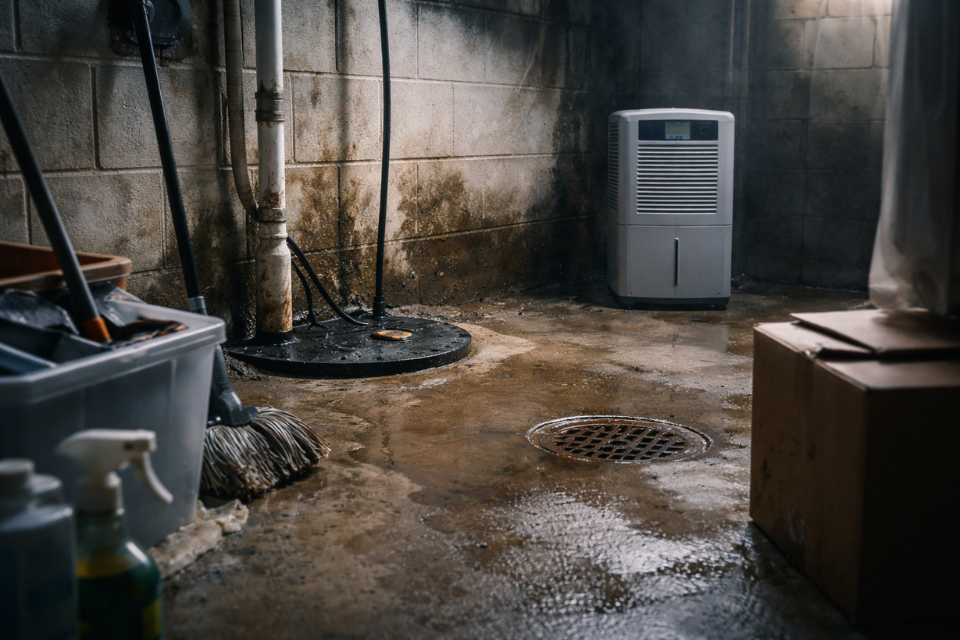
Spring is finally here in Pennsylvania and New Jersey—but if you’ve walked into your basement lately and noticed a musty, damp smell, you’re not alone.
That smell isn’t just unpleasant—it’s often a warning sign.
In many homes around Easton, Nazareth, Phillipsburg, and the Lehigh Valley, a musty basement smell in spring is caused by excess moisture, drainage issues, or hidden plumbing problems. The good news? Catching it early can save you from costly repairs.
🌧️ Why Basements Smell Musty in Spring
Spring brings rain, melting ground moisture, and rising humidity. After a long winter, your home starts to “wake up”—and so do hidden issues.
Here are the most common reasons your basement smells musty this time of year:
1. Excess Moisture from Rain and Saturated Soil
When the ground becomes saturated, water pushes against your foundation. Even if you don’t see standing water, moisture can seep through walls and floors, creating that damp smell.
2. Your Sump Pump Is Struggling (or Failing)
Your sump pump is your first line of defense during spring rains.
If it’s:
- Running constantly
- Making strange noises
- Not keeping up with water
…it may not be removing water effectively, allowing moisture to build up and create odor.
3. Poor Basement Ventilation
Basements naturally trap air. When warm, humid air enters in spring, it condenses on cool surfaces—leading to dampness and that classic musty smell.
4. Hidden Plumbing Leaks
Small leaks from:
- Water heaters
- Pipes
- Laundry connections
can go unnoticed but slowly raise humidity levels.
👉 This is especially common after winter, when pipes expand and contract from temperature changes.
5. Mold and Mildew Growth
That musty smell is often caused by mold or mildew forming in damp areas like:
- Behind walls
- Under flooring
- Around sump pits
- Near drains
Even a small amount can create a strong odor.
🚨 What That Musty Smell Could Mean
A musty basement isn’t just about smell—it’s often a sign of:
- Early water intrusion
- A sump pump issue
- Drainage problems around your home
- Potential long-term damage to your foundation
Ignoring it can lead to:
- Mold spread
- Structural damage
- Costly repairs later
🔧 What You Can Do Right Now
Here are a few simple steps homeowners can take:
✔ Check Your Sump Pump
- Pour a bucket of water into the pit
- Make sure it turns on and drains quickly
✔ Look for Signs of Moisture
- Damp walls or floors
- Water stains
- Condensation on pipes
✔ Use a Dehumidifier
This helps reduce moisture in the air and can temporarily eliminate odors.
✔ Inspect for Leaks
Check around:
- Water heaters
- Exposed pipes
- Utility areas
🛠️ When to Call a Professional
You should call a plumber if:
- The smell is strong or getting worse
- Your sump pump runs constantly or not at all
- You notice dampness but can’t find the source
- You’ve had past basement water issues
A professional can identify hidden problems before they turn into major repairs.
🏡 Protect Your Basement This Spring
Spring is one of the most important times of year to stay ahead of plumbing and drainage issues.
A musty smell might seem minor—but it’s often your home’s early warning system.
📞 Need Help in Easton, Nazareth, or Phillipsburg?
At Applause Plumbing and Heating, we help homeowners across the Lehigh Valley and Warren County:
- Inspect sump pumps
- Identify hidden leaks
- Prevent basement water problems before they start
👉 If your basement smells musty after rain, don’t ignore it. A quick inspection now can save you thousands later.
Contact us today to schedule a spring plumbing check.