

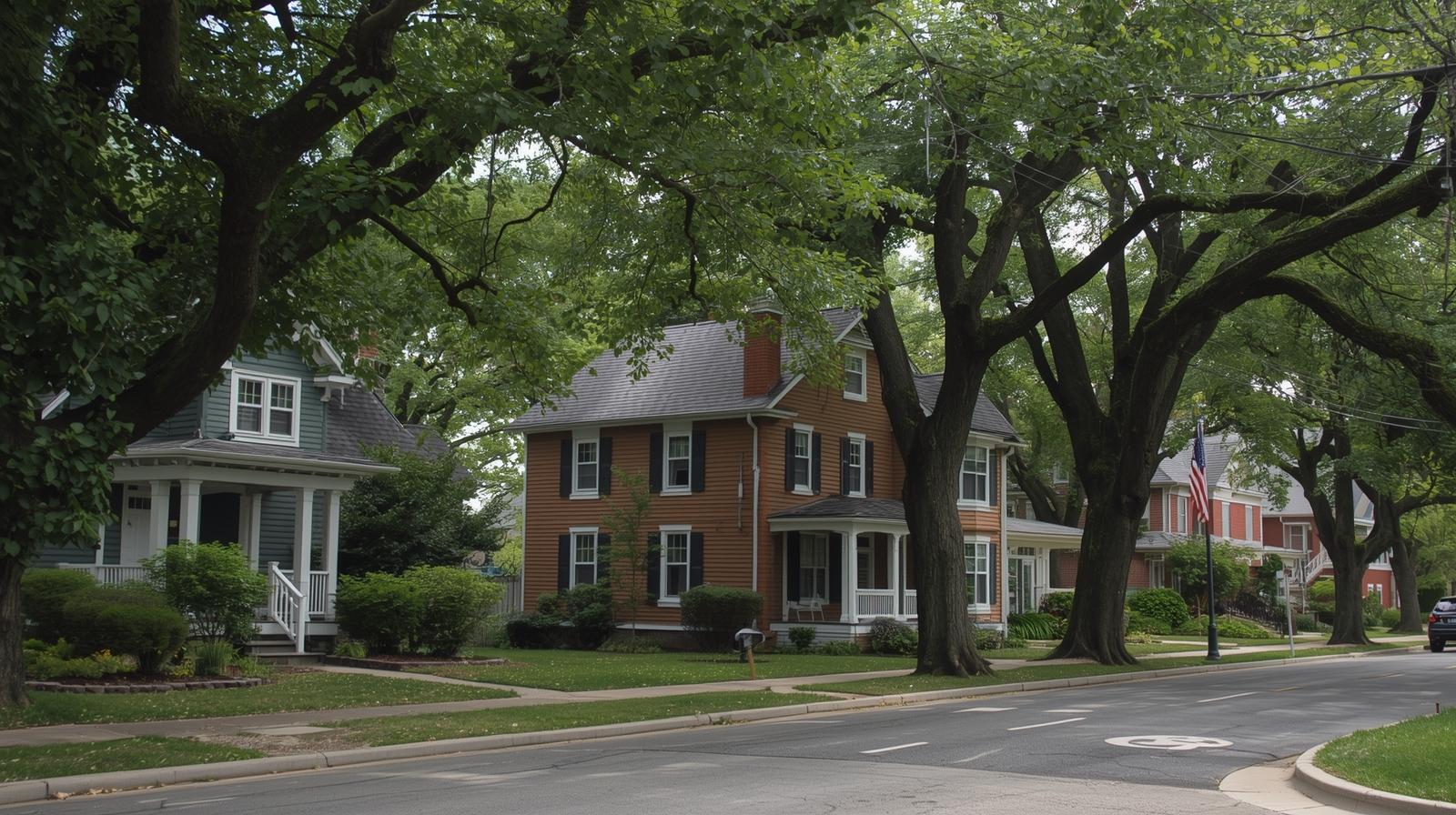
Many homes throughout Pennsylvania and New Jersey were built decades ago—long before modern plumbing standards, materials, and water treatment systems existed. While older homes have charm and character, they also tend to experience recurring plumbing problems that newer homes simply don’t face.
Understanding why these issues happen can help homeowners recognize warning signs early, avoid repeated repairs, and make smarter long-term decisions.
Aging Pipes Are the Root of Many Problems
Older homes often contain plumbing materials that are no longer used today, such as galvanized steel, cast iron, or early copper piping. Over time, these materials naturally deteriorate.
Galvanized pipes, for example, corrode from the inside out. As corrosion builds, the pipe diameter slowly shrinks, leading to reduced water pressure, frequent clogs, and eventual leaks. Cast iron drain lines can develop internal scaling, cracks, and bellies that trap debris and cause repeat backups.
These issues don’t usually fail all at once—they worsen gradually, which is why homeowners often feel like they are “always fixing something.”
Hard Water Accelerates Wear and Tear
Water quality plays a major role in plumbing longevity. In many areas, water contains elevated levels of calcium and magnesium, commonly known as hard water.
Hard water doesn’t just leave spots on dishes—it forms mineral scale inside pipes, valves, faucets, water heaters, and appliances. Over time, this buildup:
Reduces water flow
Shortens fixture lifespan
Causes premature water heater failure
Leads to noisy or inefficient plumbing systems
Older pipes are especially vulnerable because they already have rough internal surfaces where minerals can easily attach.
Outdated Plumbing Layouts Create Ongoing Issues
Plumbing systems in older homes were not designed for modern water usage. Smaller pipe diameters, fewer cleanouts, and outdated venting configurations can make systems more prone to:
Slow drains
Gurgling sounds
Sewer odors
Repeated clogs
As households add appliances, bathrooms, and higher-flow fixtures over time, these older systems become overworked.
Temporary Repairs Can Mask Bigger Problems
One common issue homeowners face is repeated “fixes” that never fully solve the problem. Clearing a clog, replacing a short pipe section, or swapping a fixture may help temporarily—but if the underlying system is failing, the issue will return.
Recurring problems are often a sign that:
Pipes are deteriorating internally
Drain lines are misaligned or damaged
Pressure issues are stressing fittings and valves
This is where proper diagnosis becomes far more important than quick repairs.
Warning Signs Homeowners Shouldn’t Ignore
Some plumbing issues deserve immediate attention, especially in older homes. These include:
Sudden drops in water pressure
Discolored or rusty water
Frequent drain backups in multiple fixtures
Unusual pipe noises
Water heater performance changes
Ignoring these signs can lead to water damage, mold growth, and costly emergency repairs.
Long-Term Solutions for Older Plumbing Systems
While not every home needs a full repipe, many older systems benefit from strategic upgrades such as:
Replacing failing sections of pipe
Installing modern shut-off valves
Addressing water quality issues
Inspecting drain lines with a camera
Upgrading aging water heaters and fixtures
A professional evaluation can help homeowners prioritize repairs and avoid unnecessary work.
The Value of Preventive Plumbing Inspections
Preventive inspections are especially valuable for older homes. Identifying issues early often saves money, reduces disruption, and extends the life of the plumbing system.
Rather than reacting to emergencies, homeowners can make informed decisions about maintenance and upgrades on their own timeline.
Final Thoughts
Older homes don’t have to mean constant plumbing headaches—but they do require informed care. Understanding how age, materials, water quality, and design affect plumbing systems empowers homeowners to protect their investment and avoid repeated problems.
If you live in an older home and are experiencing ongoing plumbing issues, it may be time to look beyond surface repairs and address the root cause.