

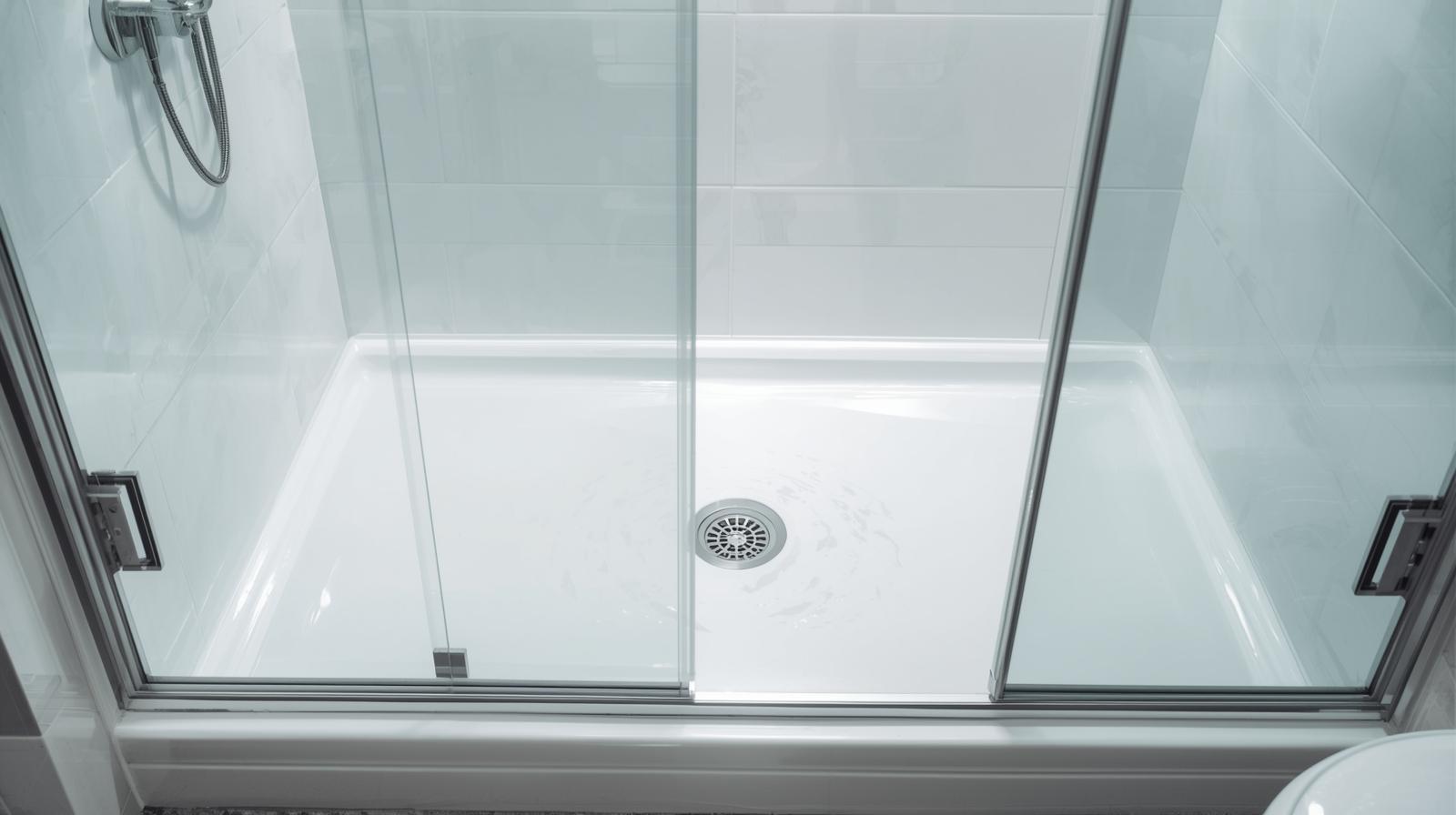
If your drains clog over and over again, it’s easy to assume you’re doing something wrong — too much toilet paper, grease down the sink, or hair in the shower.
But in many homes, especially older ones, recurring drain clogs have very little to do with daily habits and a lot to do with what’s happening inside the pipes.
Here are the most common reasons drains keep clogging — even when homeowners are careful.
1. Aging Drain Pipes Are Rough on the Inside
Older drain lines were often made from cast iron, clay, or early PVC. Over time, these materials deteriorate.
As pipes age:
Cast iron develops rust and scale
Clay pipes crack or shift
Old PVC can sag or separate at joints
The inside of the pipe becomes rough, which allows debris to snag and build up much faster than in newer plumbing.
This is why chemical drain cleaners or repeated snaking only provide temporary relief.
2. Grease Isn’t the Only Problem
Many homeowners avoid pouring grease down the drain — which is great — but grease isn’t the only thing causing buildup.
Other common culprits include:
Soap residue
Food particles
Coffee grounds
Hair combined with shampoo residue
These materials stick easily to older pipe walls and slowly narrow the drain until clogs become frequent.
3. Partial Blockages You Can’t Reach
If a drain clogs every few months, chances are there’s a partial blockage deep in the line.
Store-bought drain snakes typically reach only a few feet into the pipe. Meanwhile, the real restriction could be:
In a wall
Under the floor
In the main drain line
Each time the drain is cleared, water flows again — but the blockage never fully goes away.
4. Tree Roots in Sewer Lines
Tree roots are a major cause of recurring clogs, especially in homes with older underground sewer lines.
Roots are naturally attracted to moisture. Tiny cracks or joints in sewer pipes allow roots to enter, where they grow and trap debris.
Signs of a root issue include:
Multiple drains backing up
Gurgling sounds
Sewage smells
Toilets that bubble when sinks are used
This is not a DIY situation — proper equipment is needed to clear roots without damaging the pipe.
5. Improper Pipe Slope
Over time, soil shifts. When this happens, drain lines can lose the correct slope needed for gravity to move waste properly.
When pipes don’t slope correctly:
Water drains slowly
Solids settle instead of flowing out
Clogs return quickly
This is common in older homes and often goes unnoticed until problems become frequent.
When Repeated Clogs Mean It’s Time to Call a Plumber
If you’re dealing with:
The same drain clogging repeatedly
Multiple slow drains
Temporary fixes that don’t last
Backups that seem to come out of nowhere
It’s usually a sign of a bigger underlying issue — not bad habits.
A professional drain inspection can identify whether the problem is corrosion, roots, pipe damage, or improper slope, and help you fix it once instead of over and over again.
Final Tip for Homeowners
Recurring drain problems rarely fix themselves. Catching the issue early can prevent:
Sewer backups
Water damage
Costly emergency repairs
If your drains are constantly acting up, it’s worth getting them properly checked.