

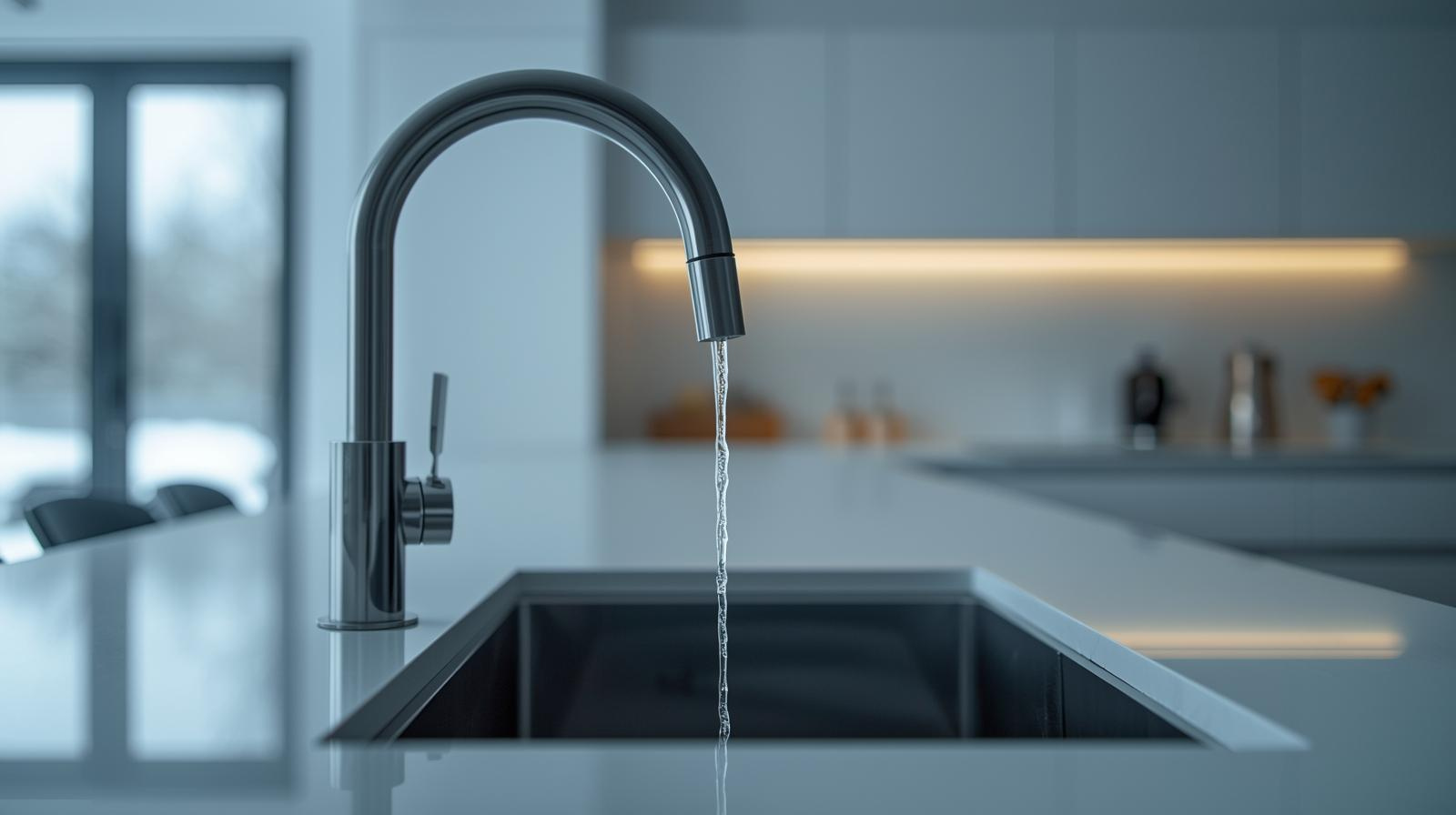
If you live in an older home in Nazareth, Easton, Phillipsburg, Stewartsville, or the surrounding Lehigh Valley towns, you may have noticed your water pressure isn’t what it used to be. Maybe your showers sputter, faucets trickle, or appliances like your washing machine and dishwasher run slower than expected. While many homeowners assume this is just “age,” there are usually practical solutions.
In this article, we’ll cover the most common causes of low water pressure in older homes, the effects on your plumbing system, and the steps you can take to restore strong, reliable water flow.
Common Causes of Low Water Pressure in Older Homes
1. Corroded Pipes
Older homes often have galvanized steel or iron pipes, which corrode over time. Corrosion narrows the inside of pipes, reducing water flow and lowering pressure throughout your home.
2. Mineral Buildup (Hard Water)
Many homes in the Lehigh Valley experience hard water, rich in calcium and magnesium. Over time, these minerals deposit inside your pipes, faucets, and showerheads, restricting flow and gradually decreasing water pressure.
3. Hidden Leaks
Even small leaks in walls, under floors, or behind appliances can reduce water pressure. Older homes are especially prone to hidden leaks that can go unnoticed for months or years.
4. Faulty Pressure Regulators
Many homes have a pressure regulator near the main shutoff valve. If this device malfunctions, your water pressure can drop across the entire house.
How Low Water Pressure Affects Your Home
Low water pressure isn’t just inconvenient — it can impact your plumbing system and daily life:
Appliance wear and tear: Dishwashers, washing machines, and water heaters may work less efficiently.
Uneven flow: Showers may sputter when other faucets are in use.
DIY risks: Attempting to fix low pressure without identifying the root cause can lead to further pipe damage.
How to Fix Low Water Pressure
Step 1: Test Your Water Pressure
A simple water pressure gauge (available at local hardware stores) can help determine if the problem is throughout the home or localized.
Check faucets on different floors to identify pressure differences.
Step 2: Flush Your Pipes
Sediment and mineral buildup can sometimes be cleared with a full flush of the system, restoring better flow.
Step 3: Replace or Upgrade Plumbing Components
Consider replacing corroded pipes if they are heavily narrowed.
Install a water softener to prevent mineral buildup.
Upgrade pressure regulators if needed.
Step 4: Call a Professional
A licensed plumber can detect hidden leaks, inspect older piping, and recommend long-term solutions.
In Nazareth, Easton, Phillipsburg, and Stewartsville, our team specializes in restoring water pressure in older homes safely and efficiently.
Preventative Tips
Inspect faucets, showerheads, and pressure regulators regularly.
Consider water filtration or softening systems to combat hard water.
Schedule professional plumbing inspections every few years for older homes.
Conclusion
Low water pressure doesn’t have to be a permanent headache. For older homes in Nazareth, Easton, Phillipsburg, Stewartsville, and the Lehigh Valley, the right diagnosis and repair can restore strong water flow and protect your plumbing system.
If your home is older, has hard water, or you’re noticing uneven flow, contact Applause Plumbing & Heating today. Our team will inspect your system, identify the cause, and recommend a solution that keeps your water flowing strong.